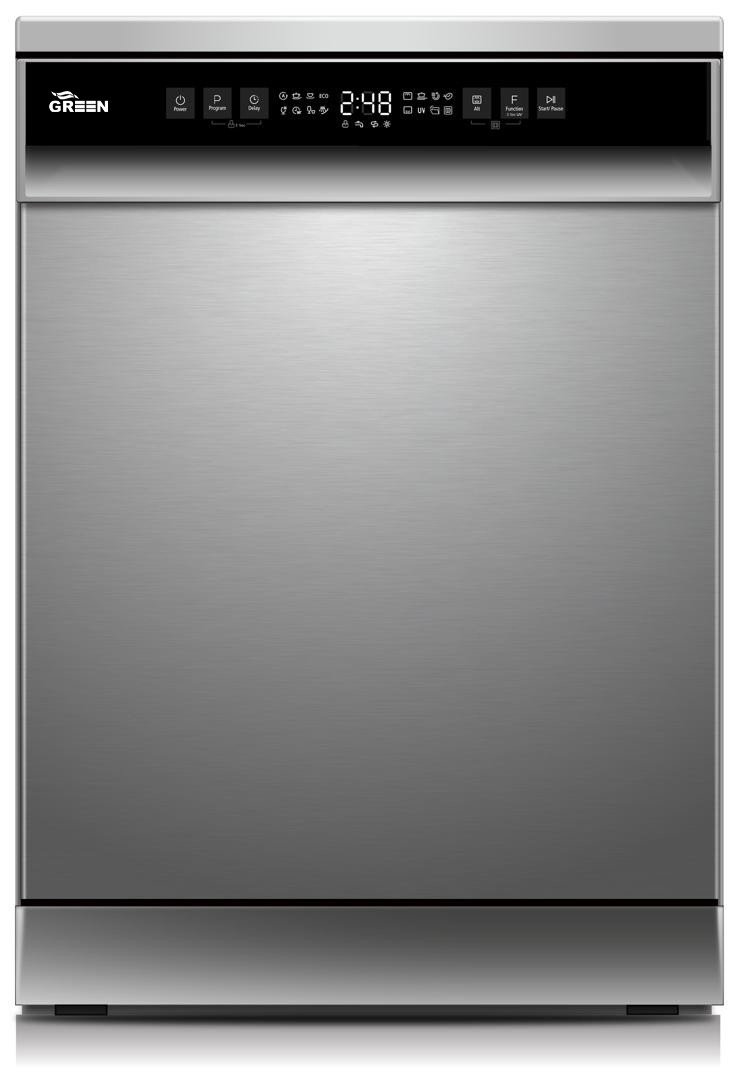
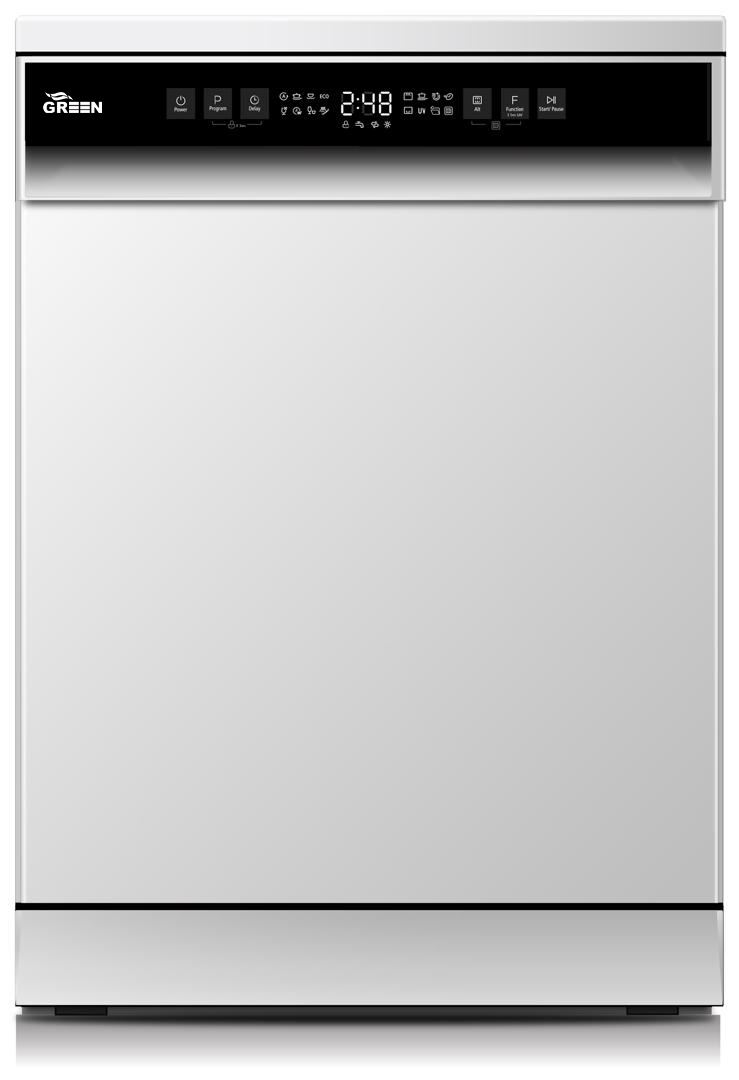
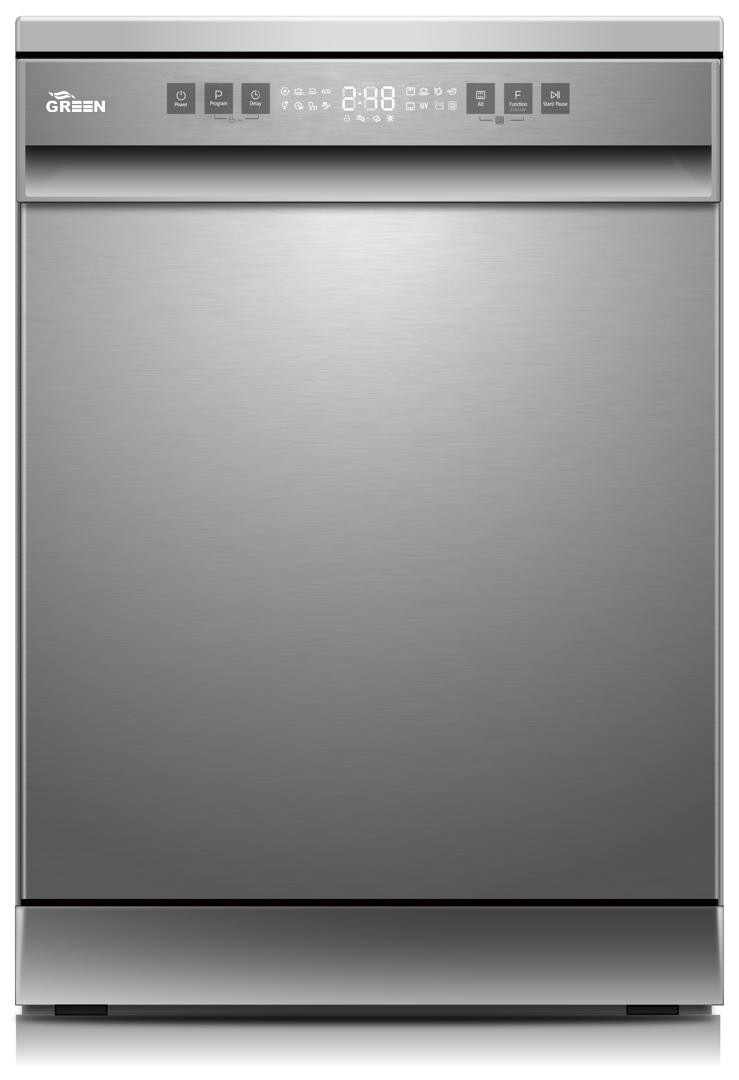
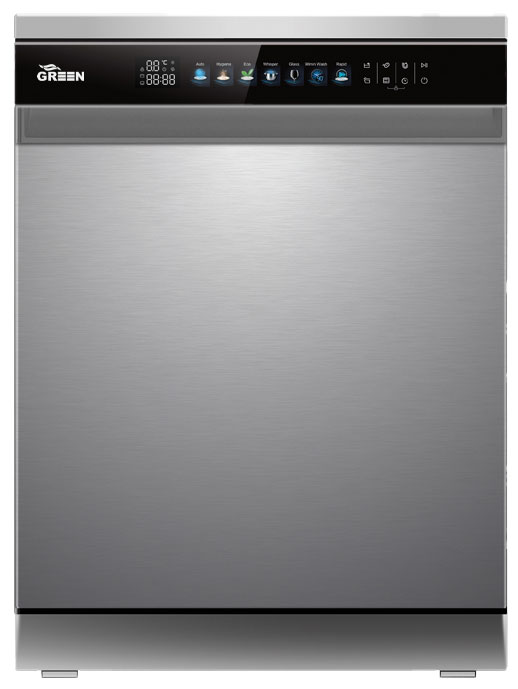
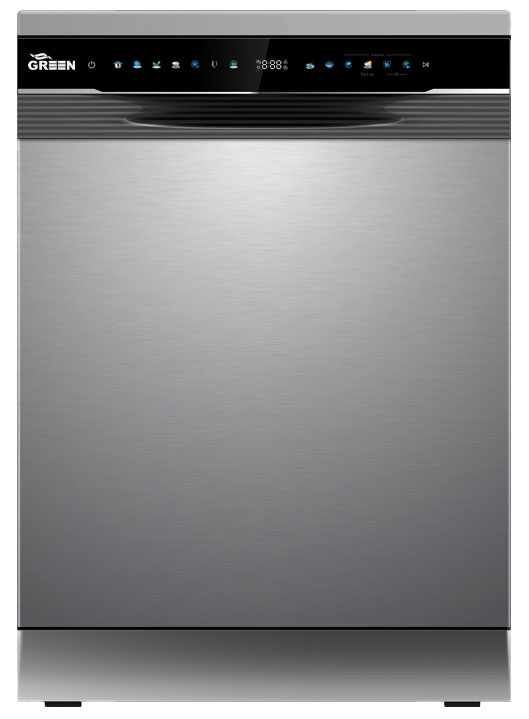
A dishwasher cleans dishes by spraying hot water and detergent onto them. The dirty water is then drained, the dishes are rinsed with clean water, and finally, they are dried.
You should use powders, gels, or tablets specifically designed for dishwashers. Using regular dish soap can damage the machine.
Yes, but plastic items should be placed on the upper rack, and glass items should be washed carefully to prevent damage or cracking.
Regularly clean the filter Use dishwasher-specific detergent Keep the door slightly open after washing
Programs such as Eco, Quick, Intensive, and Auto differ in water temperature and pressure, depending on the type and level of dish dirtiness.
Possible reasons include hard water, low dishwasher salt, improper use of rinse aid, or incorrect loading of dishes.
Clean the filter and spray arms regularly Use appropriate detergent and salt Follow the manufacturer’s loading and usage instructions
Wooden and aluminum items are generally not recommended, as they may get damaged or discolored during washing.
Refill when the salt or rinse aid indicator lights up, or if dishes come out spotted or dull after washing.
Modern high-efficiency models use less electricity and water, making them more cost-effective and environmentally friendly.